Regulatory Frameworks Guiding Casino Reviews Toward High-Payout Mobile Options in France
Nils Müller · Aug 26, 2026
Regulatory Frameworks Guiding Casino Reviews Toward High-Payout Mobile Options in France
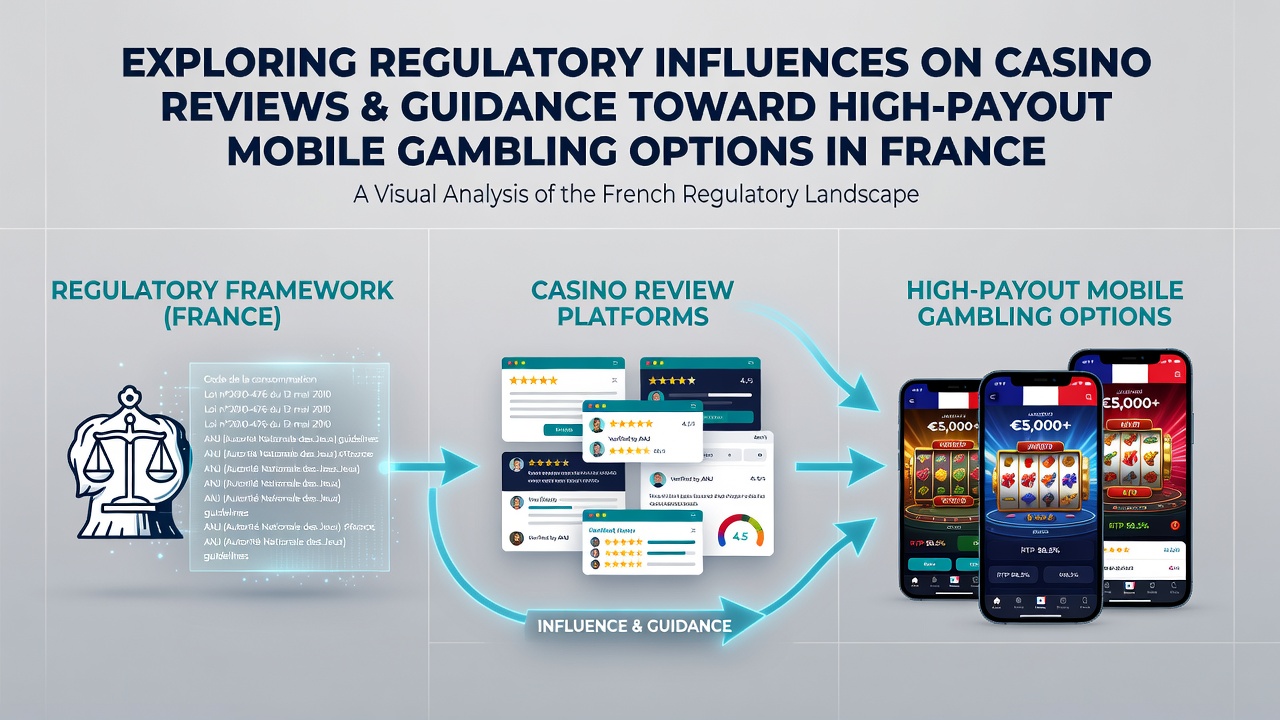
France maintains a structured system for online gambling oversight through the Autorité Nationale des Jeux, an agency that enforces licensing requirements for operators seeking to offer mobile gaming services within the country, and these rules directly affect how review platforms present information about payout rates and game selections. Observers note that licensed entities must disclose return-to-player percentages in their mobile offerings, which creates a baseline for comparison when review sites compile rankings of high-payout options available on smartphones and tablets.
Key Licensing Standards and Their Reach
Operators applying for authorization submit detailed reports on game mechanics, including volatility levels and payout frequencies, while the regulatory body reviews these submissions before granting approval for mobile distribution channels. Data from industry reports shows that approved platforms often feature slots and table games with average return rates above 95 percent, and review services incorporate these verified figures into their guidance for users exploring options in 2026. And because mobile access has grown steadily, regulators have extended compliance checks to cover app-based interfaces, requiring that payout transparency extend across both web and application formats.
Impact on Review Content and User Direction
Review platforms operating in France must align their content with licensing disclosures, which means they reference official payout data when directing attention to mobile games that meet or exceed minimum thresholds set by authorities. Those who study these patterns find that articles and comparison tools frequently highlight operators whose mobile libraries include progressive jackpots or high-volatility slots backed by audited records. What's interesting is how this alignment occurs naturally through shared requirements rather than separate mandates, since both regulators and reviewers draw from the same pool of operator-submitted statistics. A second image appears here to illustrate typical mobile interfaces under review.
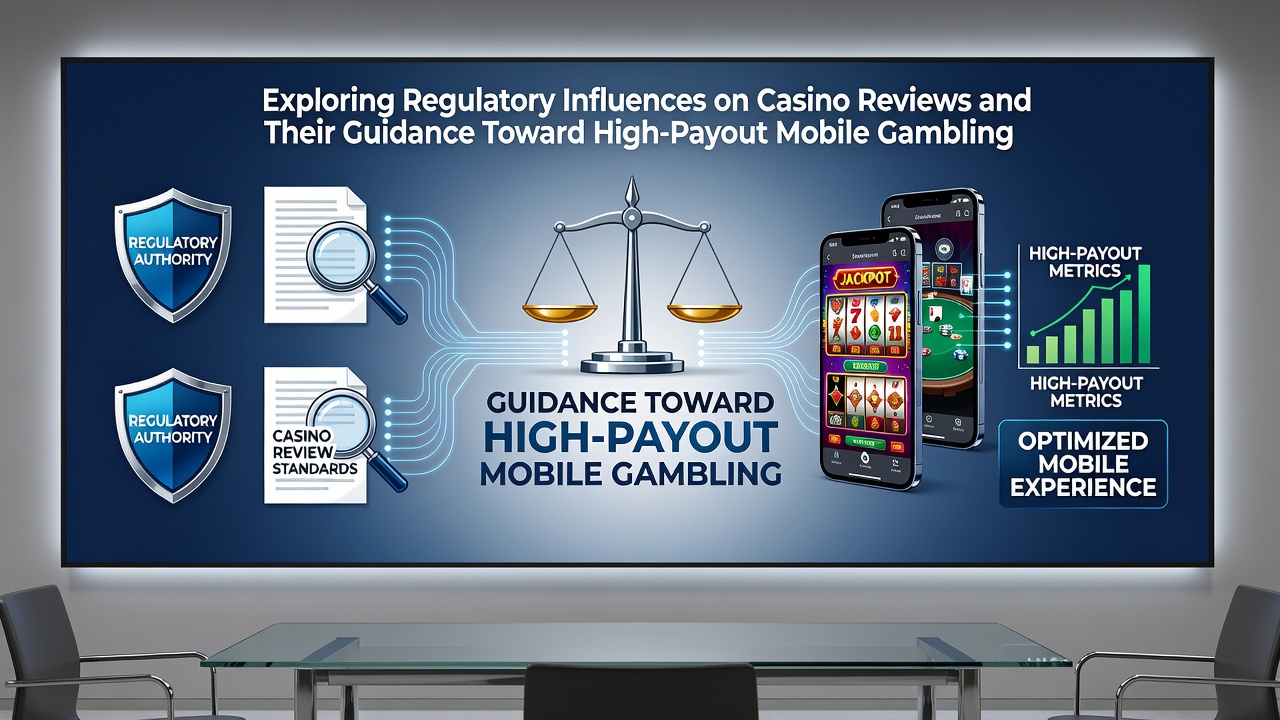
By August 2026, updates to digital verification processes are scheduled to take effect, expanding the scope of random-number-generator audits that feed into public review databases and thereby sharpening the accuracy of high-payout recommendations for French users accessing services on portable devices.
Cross-Border Comparisons and Shared Data Practices
Similar approaches appear in other jurisdictions where gaming authorities publish periodic summaries of operator performance, and French regulators participate in information exchanges that allow review platforms to cross-reference payout trends across European markets. According to figures released by the French gaming authority, mobile gambling accounts for an increasing share of licensed activity, prompting reviewers to prioritize applications that display verified payout histories. Yet observers also reference reports from Australian state regulators, such as those published by Queensland's gaming control body, which track comparable metrics and demonstrate how transparency standards travel between regions without direct overlap in enforcement.
Practical Outcomes for Mobile Gaming Selection
Users consulting review resources encounter structured tables that list mobile titles alongside their documented return percentages, and these lists reflect only those entries that have passed regulatory scrutiny for fairness and disclosure. Research indicates that such filtering reduces exposure to unlicensed offerings, while the emphasis on high-payout selections stems directly from teh requirement that operators publish audited results at regular intervals. Experts who track these developments note that the process encourages operators to optimize mobile game libraries around compliance metrics rather than promotional claims alone.
Conclusion
Regulatory oversight in France continues to shape the information flow from review platforms to users seeking mobile gambling options, with licensing conditions serving as the primary mechanism that ties payout data to public guidance. As verification procedures advance through 2026, the connection between official standards and review accuracy is expected to strengthen, maintaining a consistent framework for identifying compliant, high-payout mobile experiences across the licensed sector.